Jamaican Food in Denver: Top Menus Packed With Caribbean Flavor
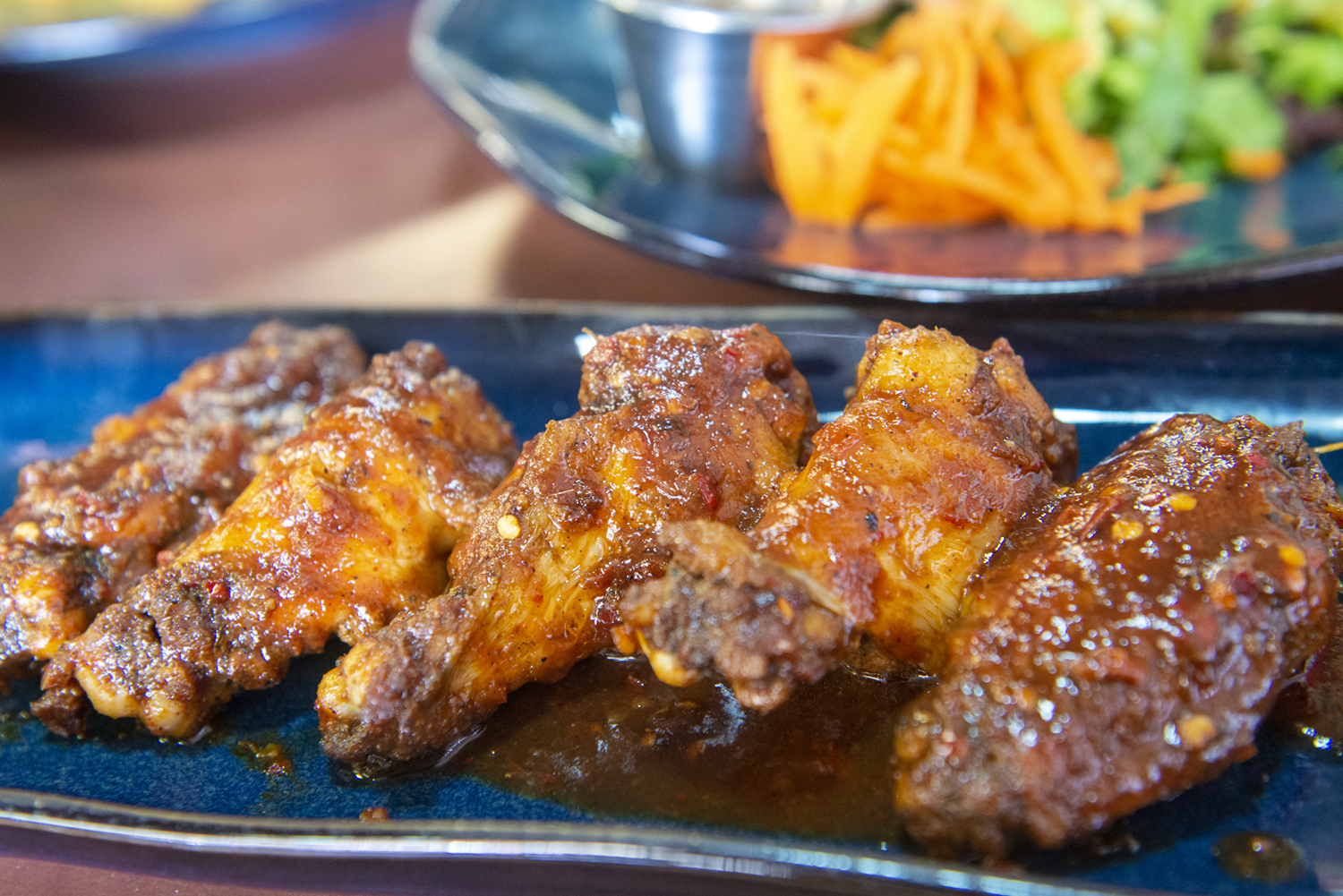
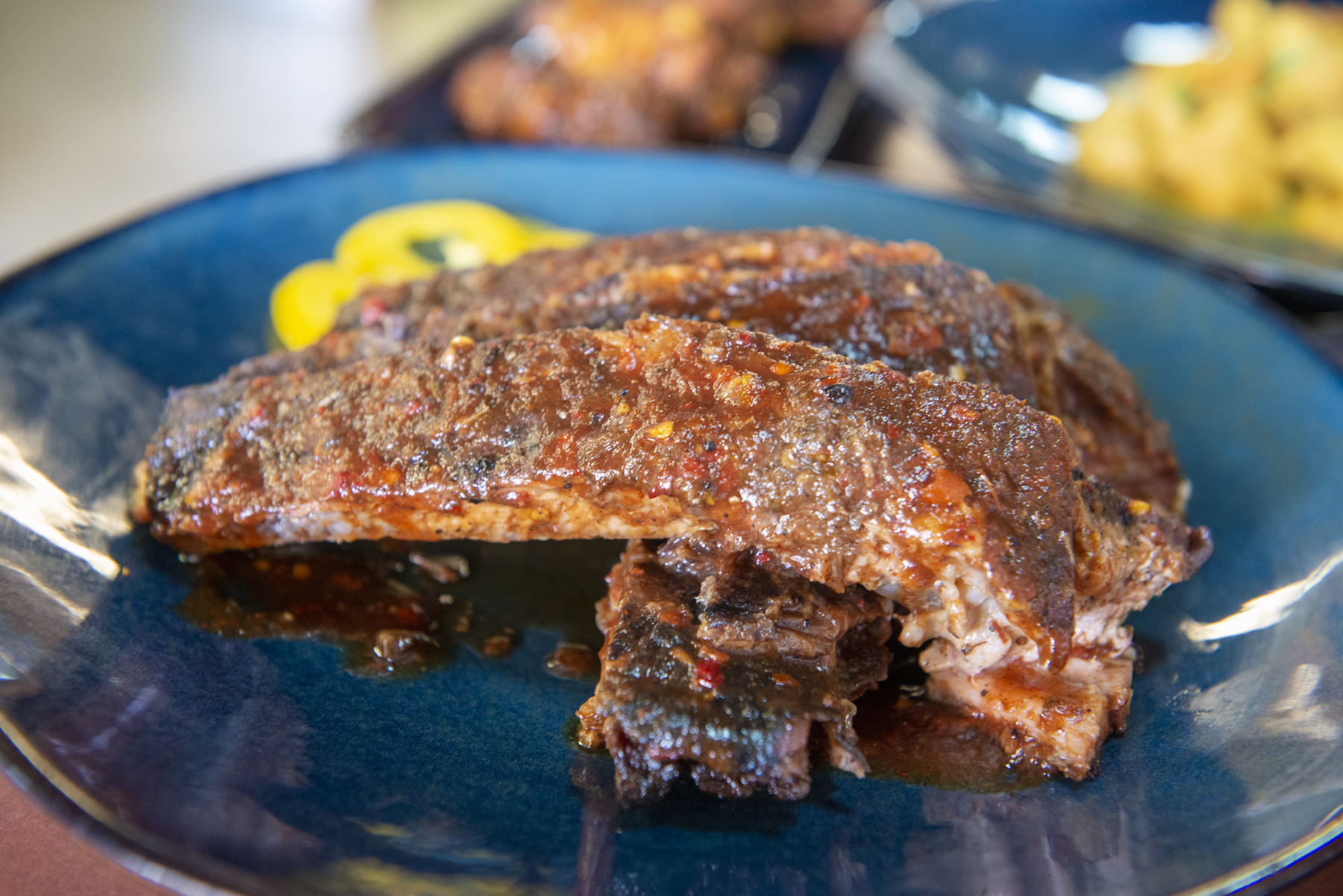
Denver does not have the sheer volume of Caribbean restaurants you see in Miami, Brooklyn, or parts of South Florida, but the city has built a solid lane for bold, spice-driven island cooking. When you go looking for jamaican food denver diners actually return for, you are usually chasing more than heat. You want smoke from the grill, the sweetness of caramelized plantains, a proper gravy soaking into rice and peas, and meat that tastes marinated rather than merely seasoned on the surface.
That distinction matters. Jamaican food, at its best, is layered and patient. A good jerk chicken plate should not taste like someone dusted paprika and cayenne on a breast and called it a day. Oxtail should carry depth from browning, thyme, scallion, allspice, and slow cooking, not just salt and soy. Curry goat should have body and perfume, with turmeric, Scotch bonnet, and curry spices rounded out over time. In Denver, where diners have plenty of choices for tacos, ramen, pho, and barbecue, a Caribbean kitchen earns loyalty by getting those details right.
The local scene also reflects Denver’s dining habits. Plenty of guests want a quick lunch, something hearty after work, or a takeout container that still eats well an hour later. Jamaican menus are unusually well suited to that rhythm. Rice and peas travels well. Braised meats improve as they rest. Patties make one of the best grab-and-go bites in the city when they are fresh. Even fried plantains hold up better than many side dishes if the kitchen knows when to pull them.
What makes a Jamaican menu worth your time
The strongest Jamaican menus in Denver tend to do a few things very well instead of trying to cover every island cuisine at once. You can usually tell within a minute of reading the menu whether the kitchen has a point of view. If jerk chicken, curry goat, oxtail, brown stew chicken, escovitch fish, patties, rice and peas, cabbage, and plantains all appear, that is a promising start. If the menu also shows confidence in sides and sauces, even better.
Just as important is whether the food reads like it belongs together. A thoughtful kitchen builds a menu around methods. Jerking, braising, stewing, frying, and curry cooking all require different prep rhythms. Restaurants that handle those techniques well often keep a tighter menu, because they know exactly what they can execute consistently during a lunch rush or a busy Friday night.
There is also the matter of balance. Jamaican food is rich, but good menus avoid heaviness by pairing savory mains with bright accompaniments. Pickled vegetables, spicy sauces, fresh cabbage, and sweet fried plantains all have a job to do. When a plate arrives and each component makes the others taste better, you know the cook understands the cuisine at a deeper level.
The dishes that separate a serious kitchen from a casual one
If you are scanning menus and wondering where to start, a handful of dishes reveal a lot about the kitchen behind them. These are the plates I pay attention to first because they expose technique, seasoning discipline, and timing.
- Jerk chicken should smell of pimento and smoke before you even open the container. The best versions strike a hard balance between spice, sweetness, char, and juicy meat.
- Oxtail should be glossy and tender, with a gravy that clings rather than runs thin. You want richness, but also enough spice and aromatics to keep each bite lively.
- Curry goat tells you whether the kitchen understands slow cooking. Good curry goat tastes integrated, not like plain stewed meat with curry powder added late.
- Beef patties show how much care goes into the quick items. A proper patty needs a flaky shell, distinct filling, and enough seasoning to stand on its own.
- Rice and peas may look simple, but it exposes shortcuts fast. The rice should be fragrant and separate, not wet or bland, with clear coconut and herb character.
A restaurant can miss on one item and still be worth visiting, but when those dishes are strong across the board, the menu usually has depth everywhere else too.
Why jerk is the first test
People who are new to Jamaican food often treat jerk as a generic flavor profile. It is not. It is a cooking tradition and a seasoning philosophy with roots that deserve respect. In practice, on a restaurant plate, that means a lot more than “spicy grilled chicken.”
Good jerk starts long before the fire. The marinade should penetrate. Allspice, thyme, scallion, ginger, garlic, Scotch bonnet, and often brown sugar or another sweet element should build flavor from the inside out. Then comes the grill or smoker, where the outside picks up color and char without losing moisture. Denver restaurants that do this well stand out immediately because the aroma is unmistakable. It carries a little smoke, a little sweetness, and a warm spice note that lingers.
There is a practical point here too. In a market like Denver, where many guests may order jerk as their first Jamaican dish, some kitchens soften the profile to make it approachable. That is understandable from a business perspective, but it can flatten the result. The most memorable versions do not shy away from spice or allspice. They just keep those elements in balance. Heat should sharpen the dish, not dominate it.
If you like dark meat, order it. Jerk chicken thighs and leg quarters generally deliver more flavor and hold moisture better, especially in takeout. White meat can work, but it has less margin for error.
Oxtail, curry goat, and the value of patience
Braised dishes are where many Jamaican kitchens earn their following. Oxtail is expensive and time-intensive, which is exactly why it matters. A restaurant that keeps it on the menu is making a statement about labor, patience, and demand. The best plates come with meat that yields with barely any resistance, but still feels substantial. The gravy should be dark, savory, and deeply https://www.behance.net/reggaepotdenver seasoned, carrying the flavor of the braise into the rice.
Curry goat is less universally loved by newcomers, but it is often a better measure of kitchen confidence. Goat has a distinct flavor and needs proper handling. When a kitchen gets it right, the curry tastes earthy and vivid, with tender meat that has absorbed the sauce rather than sitting apart from it. When a kitchen gets it wrong, you get toughness, excess grease, or curry that tastes raw and powdery.
Those dishes also highlight one of the pleasures of Jamaican food in Denver. They fit the city’s climate surprisingly well. On a cold evening, a plate of oxtail with rice and peas feels as comforting as any stew or chili, just with more spice and aromatic lift. During summer, the same dish paired with cabbage or a bright soda still feels satisfying rather than heavy.
The supporting cast matters more than people think
A lot of diners focus on the protein and ignore the sides until the plate arrives. That is a mistake. In Jamaican cooking, sides are not filler. They are part of the architecture of the meal.
Rice and peas should be more than neutral starch. The coconut milk, kidney beans, thyme, and seasoning should give it enough identity to be enjoyable on its own. Fried plantains should be sweet and properly browned, not pale and under-ripe. Steamed cabbage, when done well, gives the plate welcome freshness and a little crunch. Mac and cheese appears on some Caribbean menus too, especially in more casual or crossover settings, and while it is not the first item I judge, it can be a crowd-pleasing addition.
Then there are the sauces. Hot sauce, jerk sauce, and gravy all change the experience. Some diners want extra heat, others want more sweetness or smoke. A kitchen that sends sauce on the side when requested shows confidence. You can adjust to your taste without drowning the plate.
This is also where takeout quality becomes obvious. A careful restaurant packs wet and dry components with some thought, so fried items stay crisp as long as possible and sauces do not waterlog everything in the container. In a city where a lot of meals are eaten after a drive home, that attention matters.
Denver’s dining habits shape the best Jamaican menus
The Jamaican food scene in Denver has had to adapt to a city where convenience is part of the business model. Office workers want a fast lunch. Families want generous combo plates. Late diners want comfort and spice without the formality of a long sit-down meal. The menus that thrive tend to understand those needs.
Lunch specials are often where value shows up. A smaller jerk chicken plate with rice and peas, plantains, and cabbage can be one of the best midday meals around because it is complete and filling without requiring a huge spend. Combo platters also work well for first-time guests who want to sample more than one protein. If a place offers a two-meat plate, that is often the smartest order for a table sharing among friends.
Denver diners also care about customization. Heat levels, extra gravy, side substitutions, and patty add-ons are common asks. The better restaurants handle those requests without losing the integrity of the meal. If a place lets you add jerk sauce, swap cabbage for extra plantains, or include a patty for a few dollars more, it is often because they know those details drive repeat business.
How to read a menu before you order
There is a simple way to spot whether a Jamaican restaurant is likely to satisfy you, especially if you are ordering online and cannot smell the grill or see the steam table.
- Look for overlap in ingredients and methods. Menus built around a coherent kitchen usually make more sense than menus trying to imitate every Caribbean island at once.
- Check whether core dishes come with traditional sides like rice and peas, cabbage, and plantains rather than generic fries by default.
- Notice how the restaurant describes heat and sauces. Vague wording can mean vague flavor, while specific descriptions often signal care.
- If patties, coco bread, or house drinks appear, that usually suggests a kitchen thinking beyond the bare minimum.
- Read recent customer comments for consistency, especially on tenderness, portion size, and whether jerk tastes smoky or simply spicy.
None of that guarantees a perfect meal, but it improves your odds. It also helps you match the restaurant to your expectations. Some places aim for home-style comfort. Others lean into grill flavor. Others focus on casual takeout speed. Those are not the same experience, and the menu often tells you which lane the kitchen prefers.
The role of patties, coco bread, and small-format eating
Not every meal has to be a full plate. Beef patties deserve more respect than they get, particularly in a city where people are always looking for a portable lunch that beats another sandwich. A fresh patty has a pastry shell with enough structure to hold together but enough tenderness to flake at the edges. Inside, the filling should be assertive and juicy, with seasoning that reads clearly even in a small bite.
Pairing a patty with coco bread is one of those simple pleasures that wins over new diners fast. The bread softens the spice and turns a snack into something more substantial. For students, commuters, and anyone grabbing food between stops, that kind of order makes sense. It also provides a low-risk entry point for people who are curious about Jamaican food but not ready to commit to oxtail prices or a full spicy jerk plate.
Those smaller items can also tell you how much heart a restaurant puts into the menu. When the “simple” things are made carefully, the larger dishes usually follow suit.
Drinks and desserts round out the experience
A lot of people skip beverages when ordering takeout, but Jamaican and Caribbean drinks often deserve a look. Sorrel, ginger beer, and tropical fruit beverages can brighten a rich meal in a way soda cannot. Sorrel brings tartness and spice. Ginger beer, when it has real bite, cuts through fatty braises beautifully. Even a sweet fruit drink can make sense against a fiery jerk plate.
Dessert is less central for many diners, but when a restaurant offers rum cake or another house sweet, it can be worth trying, particularly if you are dining in rather than rushing home. The key is not to expect a pastry counter experience. In many places, dessert is a coda, not the main event. The meal stands or falls on the savory food first.
Ordering for a group without overdoing it
Jamaican food is built for sharing, but groups often order too much of one thing and not enough variety. The smart move is to think in contrasts. If one person gets jerk chicken, another should get a braised item like oxtail or brown stew chicken. Add a curry if the kitchen does one well. Then make sure there are enough sides to support the table, especially rice and peas, cabbage, and plantains.
This approach matters because Jamaican flavors reveal themselves differently across cooking methods. Grilled and smoked dishes bring char and immediacy. Braises bring depth and comfort. Curries bring fragrance and warmth. A table that covers all three learns far more about the restaurant than a table that orders four versions of jerk chicken.
For anyone watching spice, it is usually easier to manage heat than richness. You can ask for sauce on the side. You cannot turn a dry braise juicy after the fact. When in doubt, order one safe item, one adventurous item, and let the condiments do the rest.
Where Denver still has room to grow
For all the progress in jamaican food denver diners can access, there is still space for the scene to deepen. More regional specificity would be welcome. So would more seafood-focused Caribbean cooking, stronger dessert programs, and a broader range of house-made drinks. Denver has the appetite for bolder global flavors now. Ten years ago, many kitchens softened spice to meet the market. Today, guests are more willing to seek authenticity, or at least flavor that does not apologize for itself.
That shift benefits Jamaican restaurants. It opens the door for stronger jerk, better use of Scotch bonnet, more confidence in goat and oxtail, and menus that trust diners to explore. It also creates room for neighborhood favorites to stand out through consistency rather than gimmick. In this category, that matters. Nobody needs fusion for its own sake if the base cooking is excellent.
The meals people remember
Ask people what keeps them coming back to a Jamaican spot and you will hear very specific memories. The jerk that stained the paper with smoky juices. The oxtail gravy spooned over every grain of rice. The plantains that were almost custardy at the center. The ginger drink with enough kick to clear your head. Those details are not sentimental fluff. They are the real markers of quality.
That is the promise of a strong Jamaican menu in Denver. It does not need to be massive. It does not need trend-chasing branding or a dozen weak categories. It needs confidence in the classics, respect for seasoning, and enough range to satisfy both the first-timer and the regular who knows exactly how curry goat should taste.
When you find that combination, you do not just get a meal. You get a place that enters your regular rotation, the kind of restaurant you think about on a snowy night, after a long workday, or when out-of-town friends want something with soul and actual flavor. Denver may still be growing into its Caribbean identity, but the best Jamaican menus in the city already prove that the appetite is there.
Reggae Pot Jamaican Grill
Address: 2243 S Monaco St Pkwy #104, Denver, CO 80222
Phone number: +17204102956
FAQ About Jamaican Food Denver
What is typical Jamaican food?
Typical Jamaican food features bold, vibrant flavors created by blending African, Taino, European, and Asian influences.
What is a famous Jamaican dish?
Ackee and saltfish is Jamaica's national dish, made by sautéing the soft local ackee fruit with salted cod, onions, tomatoes, and spicy Scotch bonnet peppers.
What food is most popular in Jamaica?
The most popular and famous food in Jamaica is Jerk Chicken, celebrated worldwide for its smoky, spicy flavor.